


By Timothy ASHUN
This article examines how shifting to hourly wage system could boost work output in developing nations, focusing on Ghana. It draws on recent policy ideas, studies from Sub-Saharan Africa, and economic concepts like motivating workers through fair pay.
Hourly pay can better match earnings to actual time worked, encourage good time management, and lessen income differences. However, issues such as applying it in unofficial jobs and the risk of overworking need handling. Data from Ghana shows this could make casual jobs more official, improve pay fairness, and enhance economic efficiency. A step-by-step rollout with supportive rules is key for success.
Key Points
- Research indicates that implementing hourly wage systems in developing countries such as Ghana could enhance productivity by aligning compensation more closely with actual effort and hours worked. However, the evidence is mixed, highlighting that effective implementation is crucial to prevent issues like overwork and worker burnout.
- There is a consensus that hourly pay can provide benefits in terms of flexibility, fairness, and the formalization of jobs. This system can help workers feel more valued and incentivized to perform well. Nonetheless, challenges persist, particularly due to the high level of informality in the labor market (approximately 80% of employment in Ghana). This informality complicates enforcement and compliance with wage regulations, particularly in sectors like agriculture, which often exhibit low productivity levels.
- Comparisons between different compensation models suggest that hourly pay can effectively motivate short-term effort in routine tasks. However, there is a risk of employee burnout if workers are pushed to maximize hours without adequate breaks or support. Hybrid models that combine hourly wages with other compensation structures often yield the best results. These models reflect broader trends in work arrangements, where remote and hybrid setups tend to foster higher employee engagement but can also lead to increased stress levels.
Transitioning to an hourly wage regime seeks to enhance work output in emerging economies by creating a compensation structure that is fairer and more closely aligned with the time worked. In Ghana, this shift has the potential to formalize the extensive informal sector, narrow income disparities, increase worker productivity and foster economic growth, even in the context of modest productivity improvements. However, a careful implementation strategy is essential to mitigate risks such as income instability and gender inequalities.
Historical background
Hourly wages first emerged in Western nations during the Industrial Revolution, spanning the late 1700s to the 1800s. Prior to this shift, compensation methods primarily included daily wages, piecework, or taskbased payments, often tied to output levels or daylight hours.\xa0 As factories became prevalent in England and the United States, the introduction of clocks allowed for more precise timekeeping, which facilitated the adoption of hour-based pay systems.
This change aimed at improving machine usage and overall productivity. During the mid-1800s, labour movements advocated for limits on working hours, leading to the establishment of regulations such as the 10-hour workday. Subsequently, minimum wage laws were enacted in several countries: New Zealand in 1894, Australia in 1896, the United Kingdom in 1909, and the United States in 1938, which set the minimum wage at 25 cents per hour during the Great Depression. These developments not only emphasized efficiency in the workplace but also highlighted workers’ rights, marking a significant departure from the daily pay structures commonly found in agricultural sectors.
Comparisons with Daily and Monthly Pay
Hourly pay differs from daily (fixed for assumed hours) and monthly (steady regardless of hours), with outcomes varying by job type.
Versus Daily Wages: Offers flexibility for demand-based staffing and overtime, promoting fairness in irregular schedules. However, it requires tracking, potentially causing disputes and income fluctuations. Employers may cut hours to avoid premiums, unlike daily’s guaranteed baseline. Workers can work different shifts for different employers within a day to potentially increase their income.
Versus Monthly Salaries: Not universally superior, excels in measurable tasks (10-20% output boost in routines) but may lead to rushed work and 8% higher turnover in some settings. Monthly salary fosters results-oriented focus, better for complex roles (12-18% higher in knowledge jobs), though it risks reduced motivation for extras (5-10% drop in basics).
Hybrids (base plus incentives): Often optimize, boosting engagement by 20-25% in flexible contexts.
Non-pay factors like culture matter more.
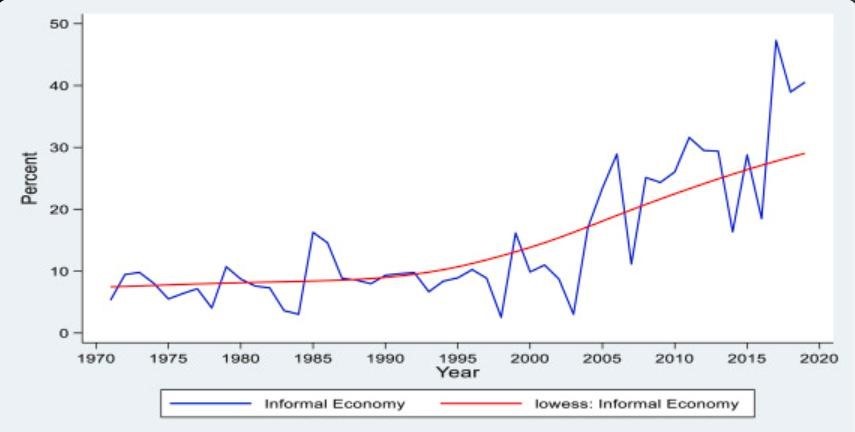
In growing economies, pay often comes as daily or monthly sums, especially in unofficial jobs that form most employment. These methods can cause issues like underpaying for real time or lacking motivation for more output. Ghana, a West African nation with medium-low income, highlights these problems: about 80% of its workforce is in the informal sector, contributing only 27% to GDP, with big output gaps between job types. Recent suggestions from groups like the Fair Wages and Salaries Commission (FWSC) propose hourly pay to boost fairness and output. This piece reviews the reasons, advantages, and barriers of hourly pay in Ghana, using regional data to gauge potential gains.
Modelling the informal sector and energy consumption in Ghana- ScienceDirect
Hourly pay originated in Western nations during the Industrial Revolution (late 1700s-1800s). Before, pay was by day, item produced, or task, linked to daylight or output. Factories in England and the US used clocks for exact time, basing pay on hours to run machines better.
By mid-1800s, worker pushes led to hour limits, like the 10-hour day. Laws followed: New Zealand became one of the first country to introduce national minimum wade in 1894, Australia’s in 1896, The United Kingdom in 1909, and US’s 1938 act at 25 cents/hour during the Depression. This spread to Europe after post-World War II, emphasizing efficiency and rights, unlike daily pay in farming.
How pay is set affects worker drive and output. Paying more can improve work by raising morale and happiness, reducing attrition, and boosting effort. In Sub-Saharan Africa, minimum pays link to higher income per person, suggesting output gains, but mixed. Hourly wage regime also has the potential to attracts FDI into the economy This attracts FDI as seen in Ethiopia’s Hawassa Industrial Park, where hourly wages drew $1B+ investments.
In Vietnam and China, pay increases boosted productivity without negatively impacting profits; however, in Indonesia, they occasionally led to a decrease in productivity.
In Africa, output grows slowly at 2.2% yearly in the south, faster than north. Job type differences shrink when measured hourly, as farm workers do fewer hours (700/year) vs. others (1,850). Hourly pay could better reflect real output, cut apparent gaps, and push better hour use.
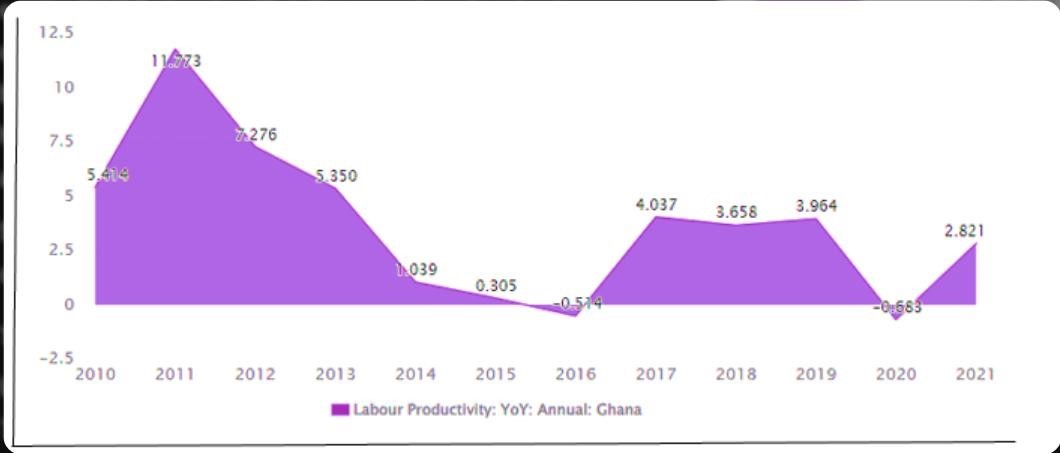
In Ghana, output grew 4% yearly from 2006 to 2013, led by industry at 8% and farming, while services lagged from unofficial inflows. Recent data shows GDP growth at 3.9% in 2025, but labour productivity dropped 0.45% YoY in Dec 2023, forecasted at US$3.84 in 2025, below African averages and flat since 2000. Daily Minimum Pay, now GHS 19.97 in 2025 (up 10% from 2024, effective March 1), helps formal jobs but leaves unofficial workers exposed. A 2012 survey showed median hourly pay at 2.35 GHS, higher in big firms, for experienced, steady-contract, or educated workers. Unofficial work hits half, with 28% below minimum, mainly farming.
Policy views, like CERPA’s 2025, favor hourly for flexibility (the freedom to work variety of shift for variety of employers), clarity, and overtime chances, aiding work-life balance and equity. FWSC aims to officialize casual work, raise income, and cut gaps. Hourly could ease graduate joblessness by making basic jobs viable with good per-hour pay, creating jobs
Labor Productivity in Ghana: CEIC, 2021
Using economic ideas like motivating effort and skill-building, hourly pay ties earnings to work and time. This review synthesizes policy papers, surveys, and studies from 2012-2025 on Ghana and Sub-Saharan Africa. Data on pay, output, and jobs evaluate impacts, with proposal insights shaping advice.
ANALYSIS AND DISCUSSION:
Benefits of Hourly Wages for Productivity
Hourly wages can significantly enhance productivity by providing clear incentives for time and effort. In Ghana, where agriculture is the primary industry but offers low hourly wages (approximately 0.69 GHS), implementing hourly pay could encourage better resource allocation and reduce underutilization, ultimately increasing productivity.
Establishing transparent payment structures fosters trust among workers, which can improve morale and overall output. However, the current minimum daily wage of GHS 19.97, equating to about 2.5 GHS per hour based on an 8-hour workday, remains insufficient to lift individuals out of poverty.
In the broader African context, hourly wage systems can help to narrow job disparities, ensuring fair compensation for actual work performed. This approach could incentivize workers to pursue opportunities in higher-output sectors. Additionally, for small businesses, the flexibility of part-time hiring allows them to adapt to fluctuating demand, enhancing their responsiveness and productivity.
Challenges and Risks
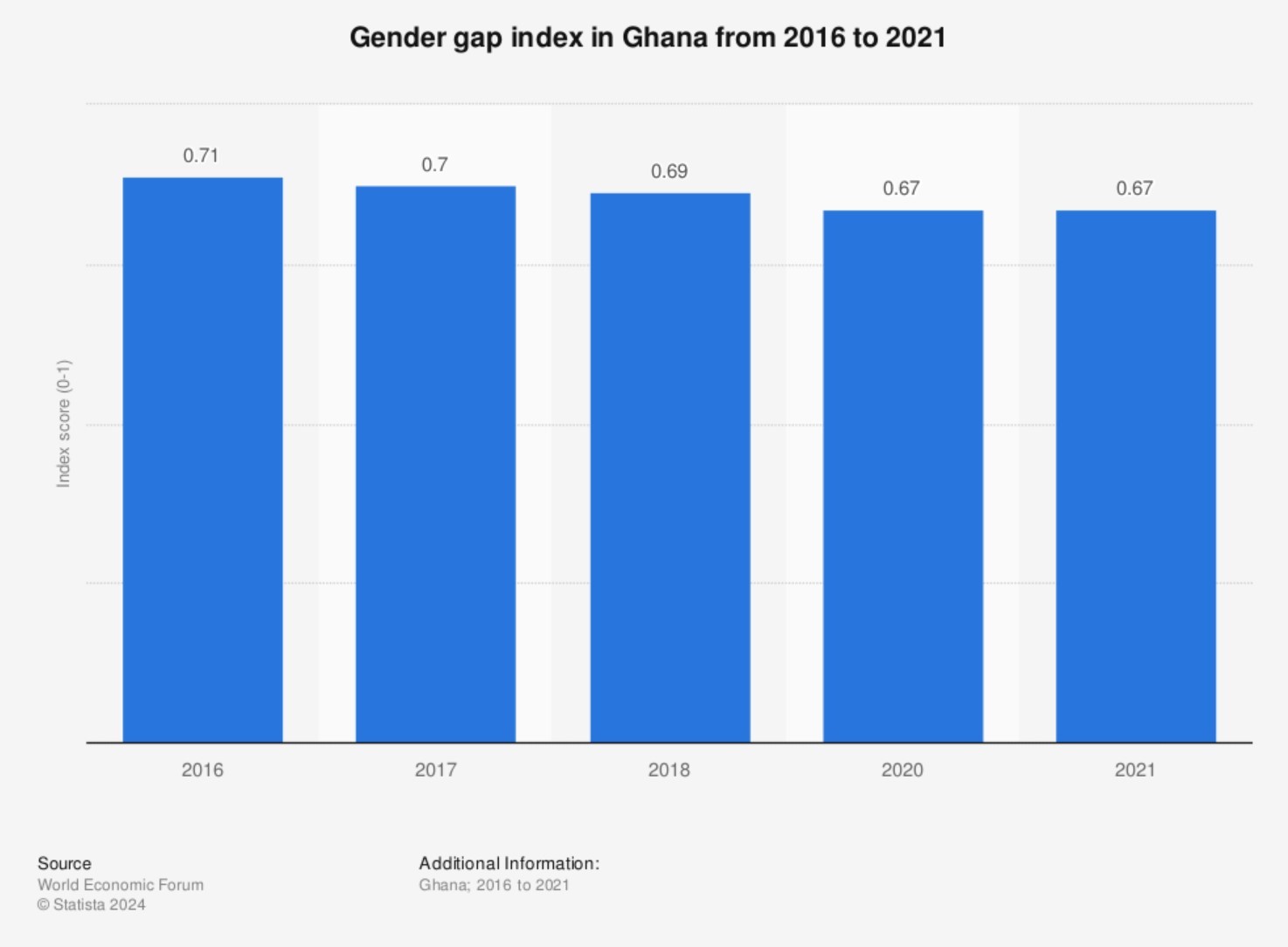
The risks associated with low earnings include the potential for overwork, which can negatively impact health and reduce long-term productivity. In Ghana, the prevalence of 80% unofficial jobs complicates enforcement efforts, exacerbating existing disparities. Additionally, small businesses may struggle with increased costs, putting jobs at risk. Women earn 34.2% less overall, gaps persisting without aid. (accrastreetjournal.com)
Comparisons with Other Wage Systems
Hourly differs from daily (fixed for day, assuming hours) and monthly (steady regardless).
Vs. Daily Wages: Offers flexibility for demand-based staffing and overtime. It is fairer for irregular schedules. Require time-tracking, which can cause disputes and income fluctuations. Employers may cut hours to avoid overtime premiums, unlike daily pay’s guaranteed baseline.
Vs. Monthly Salaries: Excels in measurable, routine tasks, leading to a 10-20% output boost. Better for casual labor market’s peak periods (15-25% more hours). Risks burnout, lower quality (8% higher turnover, 5% worse scores in call centers), and can hinder learning/creativity (10-15% less). Monthly salaries foster a results-oriented focus better for complex, knowledge-based roles (12-18% higher output).
Hybrid Models: Blending systems (e.g., base pay plus incentives) often performs best, boosting engagement by 20-25% in flexible contexts. Non-pay factors, such as training and culture, are often more important than the wage system alone.
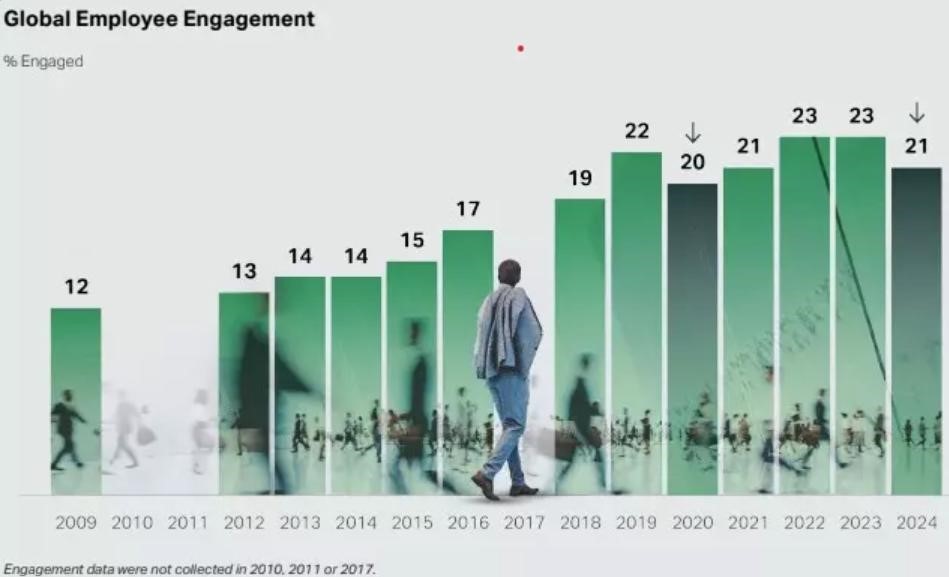
Gallup’s 2025 report shows global engagement at 21% (down from 23%), with hybrids paralleling flexible pay benefits but higher stress.
Work Mode \xa0\xa0\xa0\xa0\xa0\xa0\xa0\xa0\xa0\xa0\xa0\xa0\xa0\xa0\xa0\xa0\xa0\xa0 %\xa0\xa0 Engaged (Global)\xa0\xa0\xa0\xa0\xa0 Daily Stress Rate\xa0\xa0\xa0\xa0 Intent to Leave
Exclusively Remote \xa0\xa0\xa0\xa0\xa0\xa0\xa0\xa0\xa0\xa0\xa0 \xa0\xa0\xa0\xa0\xa0\xa0\xa0\xa0\xa0\xa0\xa0\xa0\xa031% \xa0\xa0\xa0\xa0\xa0\xa0\xa0\xa0\xa0\xa0\xa0\xa0\xa0\xa0 \xa0\xa0\xa0\xa0\xa0\xa0\xa0\xa0\xa0\xa0\xa0\xa0\xa0\xa045% \xa0\xa0\xa0\xa0\xa0\xa0\xa0\xa0\xa0\xa0 \xa0\xa0\xa0\xa0\xa0\xa0\xa0\xa0\xa0\xa0\xa0\xa0\xa057%
Hybrid \xa0\xa0\xa0\xa0\xa0\xa0\xa0\xa0\xa0\xa0\xa0\xa0\xa0\xa0\xa0\xa0\xa0\xa0\xa0\xa0\xa0\xa0\xa0\xa0\xa0\xa0\xa0\xa0\xa0\xa0\xa0\xa0 \xa0\xa0\xa0\xa0\xa0\xa0\xa0\xa0\xa0\xa0\xa0\xa0\xa023% \xa0\xa0\xa0\xa0\xa0\xa0\xa0\xa0\xa0\xa0\xa0\xa0\xa0\xa0 \xa0\xa0\xa0\xa0\xa0\xa0\xa0\xa0\xa0\xa0\xa0\xa0\xa0\xa046% \xa0\xa0\xa0\xa0\xa0\xa0\xa0\xa0\xa0\xa0 \xa0\xa0\xa0\xa0\xa0\xa0\xa0\xa0\xa0\xa0\xa0\xa0\xa057%
On-Site Remote-Capable \xa0\xa0\xa0 \xa0\xa0\xa0\xa0\xa0\xa0\xa0\xa0\xa0\xa0\xa0\xa0\xa023% \xa0\xa0\xa0\xa0\xa0\xa0\xa0\xa0\xa0\xa0\xa0\xa0\xa0\xa0 \xa0\xa0\xa0\xa0\xa0\xa0\xa0\xa0\xa0\xa0\xa0\xa0\xa0\xa039% \xa0\xa0\xa0\xa0\xa0\xa0\xa0\xa0\xa0\xa0 \xa0\xa0\xa0\xa0\xa0\xa0\xa0\xa0\xa0\xa0\xa0\xa0\xa045%
On-Site Non-Remote-Capable\xa0\xa0\xa0\xa0\xa0\xa0\xa0\xa0\xa0\xa0\xa0\xa0\xa0 19% \xa0\xa0\xa0\xa0\xa0\xa0\xa0\xa0\xa0 \xa0\xa0\xa0\xa0\xa0\xa0\xa0\xa0\xa0\xa0\xa0\xa0\xa0\xa038% \xa0\xa0\xa0\xa0\xa0\xa0\xa0\xa0\xa0\xa0 \xa0\xa0\xa0\xa0\xa0\xa0\xa0\xa0\xa0\xa0\xa0\xa0\xa047%
\xa0
Policy Implications for Ghana
Step-by-step rollout in public and gig areas, using Ghana Card for tracking. Education on rights and responsibilities as well as enforcements of the\xa0 rule. Tie rate to inflation for real gains.
Hourly pay in nations like Ghana promises better output via reward matching and fairness. Data shows retention, efficiency, inclusion gains, but handle unofficial jobs and overwork. Leaders consult all, go gradual for wins, aiding steady growth.
A successful transition to an hourly wage system in Ghana requires a structured, multi-phase approach. The proposed policy rollout involves three key phases
- Preparation (Months 1-6): Conduct labor audits, amend the Labour Act to mandate hourly tracking, and establish a national minimum of , say GHS 30 per hour, (adjusted for inflation and benchmarked against living costs). Simple time-tracking tools, like free mobile apps integrated with biometric clocks, should be developed. We propose the MELR, NLC, GSS partner ILO for implementation and technical support.
- Piloting & Rollout (Months 7-18): Launch pilots in industrial zones with incentives (like tax breaks for compliant firms) and enforce overtime at 1.5 the rate after 8 hours. Extensive training for workers and managers on their rights and responsibilities must be conducted via community workshops and local-language media campaigns. Include GEA, Trade Union Congress (TUC), private firms in the implementation, monitoring and compliance. Use existing structures like District Assemblies for rural outreach.
- Scaling & Monitoring (Months 19+): Integrate the system with the national ID (Ghana Card) for payroll verification. Link wages to performance bonuses to encourage skill-building and conduct annual reviews to adjust rates based on the Consumer Price Index (CPI). The goal is to achieve 70\\% formal sector coverage by 2028. At this stage the government could roll in MELR, Bank of Ghana for economic tie-ins. Digital dashboard for real-time compliance tracking.
By adopting a gradual, consultative approach and addressing implementation barriers like high informality and the risk of overwork, Ghana can harness the potential of hourly wages to achieve sustained economic growth and improve worker well-being.]
Provided by SyndiGate Media Inc. (Syndigate.info).
0 Komentar