


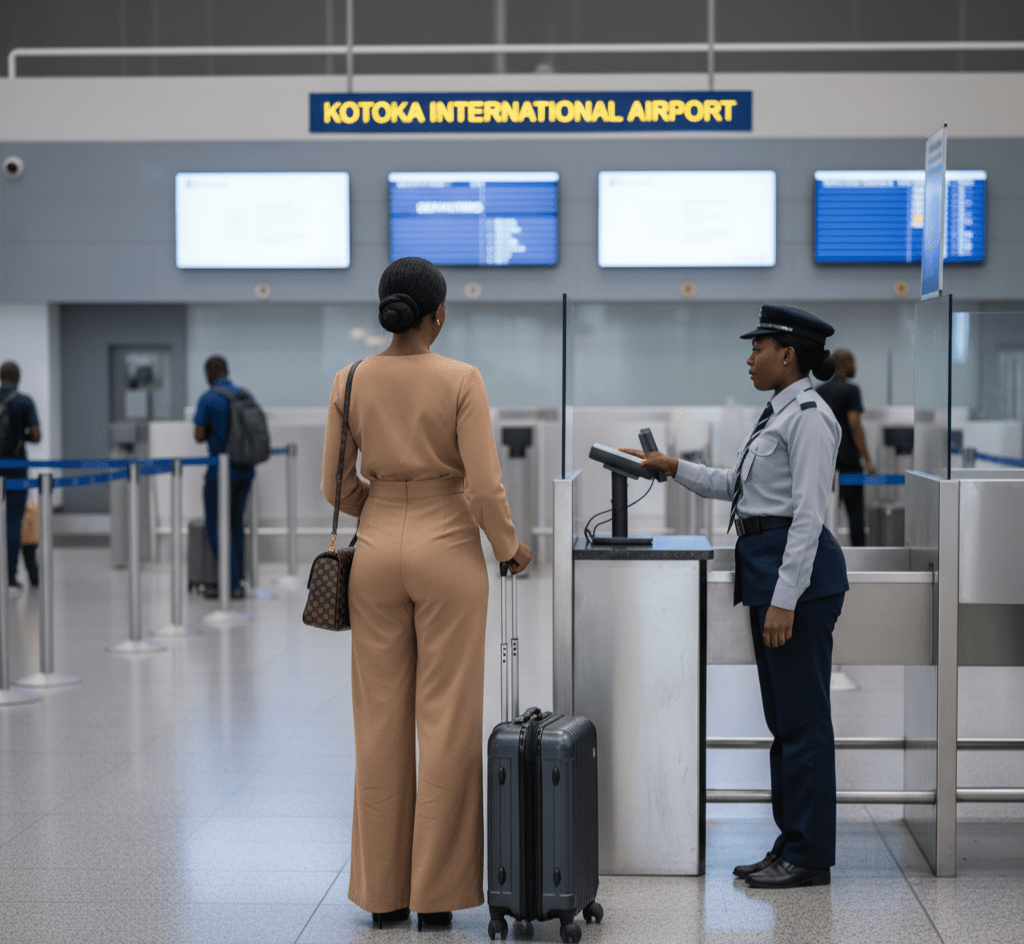
Understanding the Role of an Airline Security Agent
Aviation security is a crucial element in ensuring safe and secure air travel. It involves a wide range of responsibilities that begin from the moment passengers arrive at the airport until they board their flights. At the heart of this system are airline security agents, who play a vital role in screening passengers, protecting aircraft, and maintaining smooth operations even during unexpected disruptions.
The Positive Aspects of Aviation Security Work
Despite the demanding nature of the job, there are several positive aspects that make it rewarding for those who choose this career path:
-
A strong sense of responsibility: Being an airline security agent comes with the satisfaction of knowing you are actively protecting lives. Your work directly contributes to the safety of passengers and the integrity of the aircraft.
-
Daily variety and challenge: Each day brings new passengers and different flights to screen. This constant change keeps the job exciting and prevents stagnation. It also opens up new platforms for learning as one interacts daily with individuals from different backgrounds, cultures, and with different ideologies. It’s a space for learning and growth.
-
Opportunities for advancement: With ongoing training, you can become an expert in specialized areas, potentially advancing to leadership roles such as lead agent or supervisor. These pathways often open doors to travel for training on new passports, visas, and regulatory updates.
-
Professional travel and learning: The role can involve traveling outside your home base to receive training on evolving passport and visa requirements, keeping you at the forefront of international security standards.
Challenges Faced by Airline Security Agents
Every job comes with its own set of challenges, and aviation security is no exception. Here are some of the key difficulties faced by professionals in this field:
-
High-stress moments: The job can be intensely stressful, particularly during emergencies such as flight delays, technical faults, or cancellations. Maintaining composure and making quick, sound decisions is essential. Long hours and non-traditional shifts where security operations run around the clock mean that nights, weekends, and holidays are part of the routine. The emotional and physical toll can be exhausting, leading to the common saying: “YOU KNOW WHEN TO REPORT FOR WORK BUT DO NOT KNOW WHEN TO CLOSE.”
-
Navigating human interaction: Handling tense or irate passengers requires emotional intelligence, patience, and tact. Even when a passenger may feel justified, security agents must navigate the situation professionally and safely.
-
Constant training demands: The regulatory landscape shifts as countries update visa, passport, and entry requirements. Keeping up-to-date with these changes is ongoing and can feel overwhelming.
Why the Role Is Worthwhile
Despite the challenges, many airline security agents find their work profoundly rewarding:
-
Continuous learning: Every shift can bring new knowledge from screening techniques to regulatory updates, allowing you to grow professionally.
-
People and connection: The job offers opportunities to meet travelers from around the world and work with a diverse team, creating a dynamic and collaborative environment.
-
Positive impact on safety: There is a clear, tangible sense of making air travel safer, which fosters personal pride and motivation while giving independence and initiative to each and everyone.
-
Proactive steps and autonomy: The job often requires taking proactive steps and working autonomously to resolve issues and ensure smooth operations.
A Balance of Duty and Development
If you’re considering a career in aviation security, reflect on these key themes:
-
Commitment to safety and procedure: The core of the role rests on strict adherence to security protocols and regulations.
-
Adaptability: Every day brings new passengers, new flights, and new potential disruptions.
-
Resilience: Managing stress, long hours, and sometimes difficult conversations is part of the job.
-
Lifelong learning: Ongoing training in visas, passports, and destination requirements keeps you versatile and valuable.
The Broader Impact of Aviation Security
Aviation security is more than just screening; it’s a comprehensive, dynamic profession that upholds the safety of global travel. For those drawn to responsibility, rapid problem-solving, and meaningful work, being an airline security agent offers a unique combination of purpose, growth, and daily challenges. With dedication and continuous learning, you can advance to leadership roles, expand your expertise, and contribute to the robust safety framework that keeps skies open and passengers secure.
Abigail is a dedicated Airline Security Agent, with expertise in passenger profiling and document checks by scrutinizing passports, visas, and other travel documents, ensuring that all passengers and documents accepted on the flight are genuine and in compliance with the said country’s regulations and requirements.
0 Komentar