


U.S.-South Korea Tariff Agreement and Investment Deal
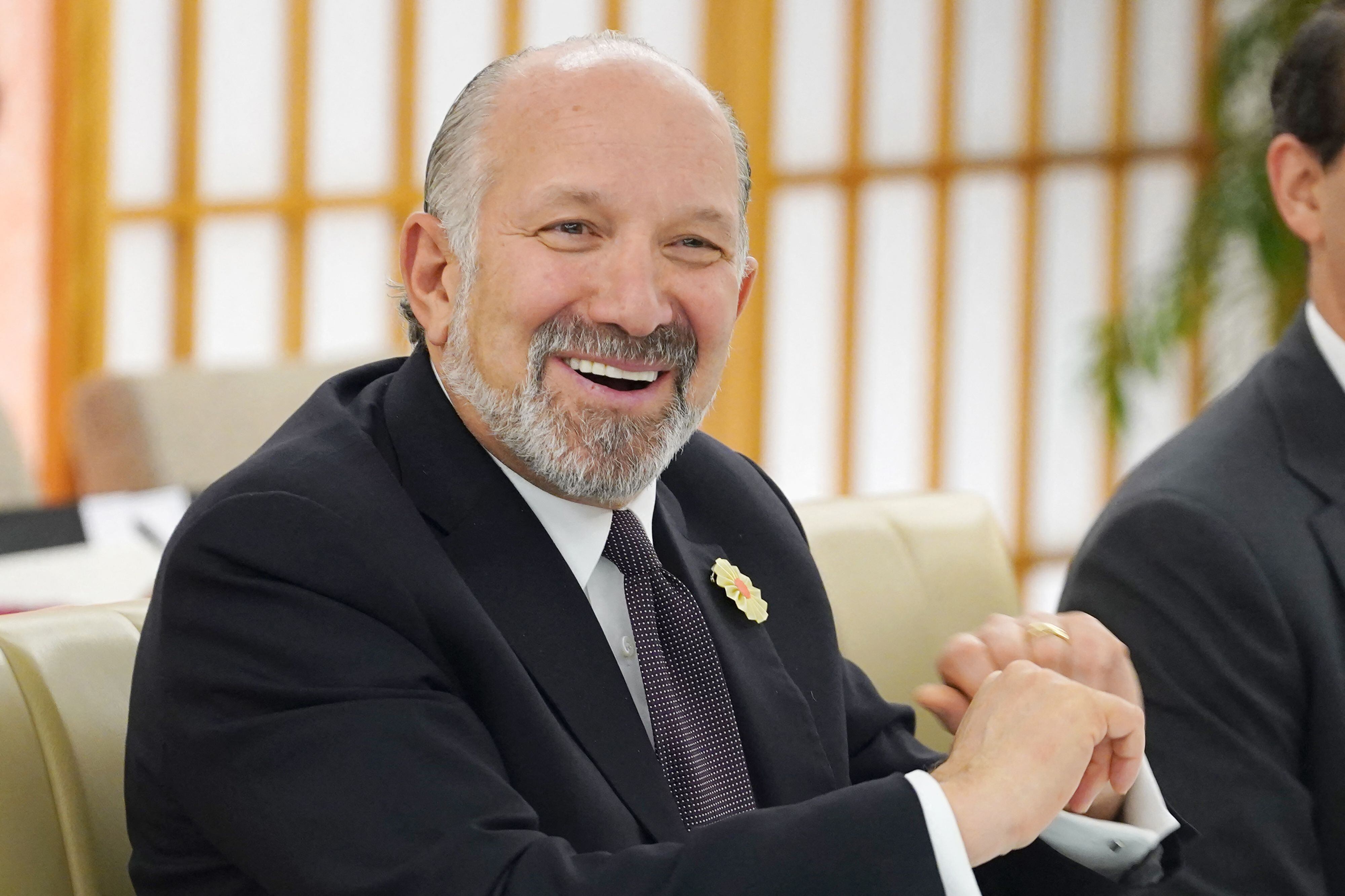
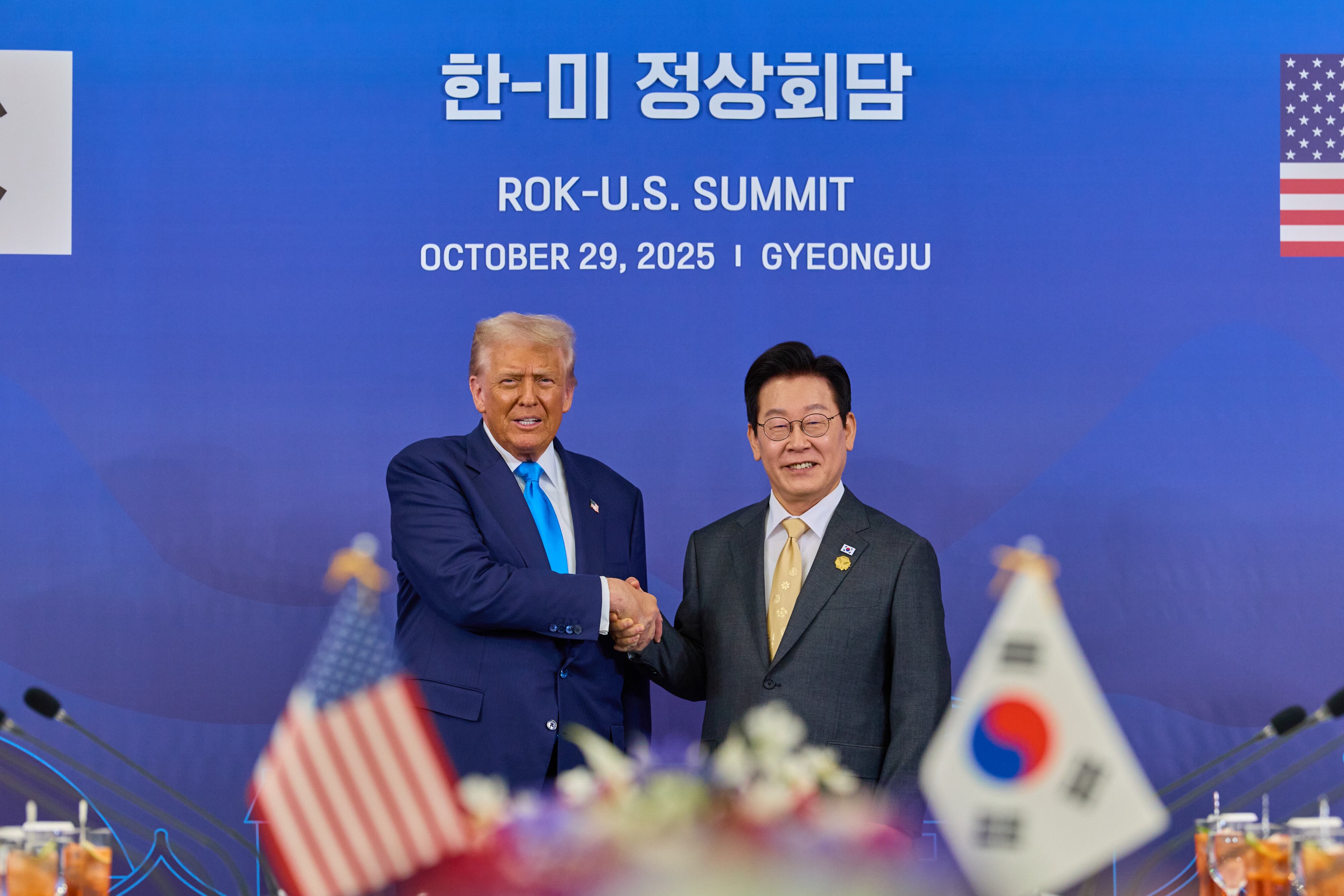
During a summit on the 29th, U.S. President Donald Trump and South Korean President Lee Jae-myung reached a significant tariff agreement. This development was highlighted by U.S. Secretary of Commerce Howard Lutnick, who stated on the 30th that “South Korea has agreed to fully open its market 100%.” However, the specifics of what this “market opening” entails were not clearly defined.
Lutnick also mentioned that an investment of approximately 350 billion U.S. dollars—equivalent to about 498 trillion Korean won—would be made by the South Korean government as part of the deal. He emphasized that this investment would be directly instructed and approved by President Trump. This investment is seen as a quid pro quo for the tariff reductions.
In addition, Trump warned of potential sector-specific tariffs of up to 100% on semiconductors, which are South Korea’s main export product. However, Lutnick clarified that “Semiconductor tariffs are not part of this U.S.-South Korea deal.”
Details of the Investment Plan
Lutnick revealed these details on his X (formerly Twitter) on the 29th, the day after the agreement was reached. He mentioned that President Trump had a special meeting with South Korean President Lee Jae-myung. Regarding the 350 billion U.S. dollar investment in the U.S., Lutnick stated that Trump designated shipbuilding as the first investment sector, aiming to invest at least 150 billion U.S. dollars in shipbuilding within the U.S.
He added that leading South Korean shipbuilding companies have been approved to construct nuclear-powered submarines in Philadelphia. The revival of the U.S. shipbuilding industry is considered essential for national security. Additionally, Lutnick mentioned that Trump plans to invest an additional 200 billion U.S. dollars in U.S. construction projects, including Alaska’s natural gas pipeline, energy infrastructure, critical minerals, artificial intelligence (AI), and quantum computing.
The South Korean government explained that it will form an investment committee in the future to discuss specific investment projects and make final decisions after assessing their ‘commercial viability.’
Market Opening and Agricultural Concerns
Despite Lutnick's statement that “South Korea agreed to fully open its market 100%,” the exact scope of this market opening remains unclear. The South Korean government maintains that it prevented additional market openings in the agricultural sector, including rice and beef.
This issue has historical context. When the U.S. and South Korea reached a broad trade agreement last July, there was a dispute over the facts. Trump claimed that “South Korea granted historical market access to the U.S. rice market,” contrary to the explanation provided by South Korea's negotiation team. Karoline Leavitt, the White House spokesperson, stated, “It will provide historical market access for U.S. rice.”
On the 29th, Trump also wrote on his social media, Truth Social, “The amount South Korean companies and entrepreneurs will invest in the U.S. will exceed 600 billion U.S. dollars,” but did not disclose details. Politico reported that the lack of a joint statement between the U.S. and South Korea suggests both sides are still coordinating details. In contrast, Japan, which had previously concluded a trade agreement, formalized the details.
Auto Tariffs and Semiconductor Issues
Lutnick stated that a 15% tariff will be applied to South Korean automobiles and auto parts. The Trump administration imposes sector-specific tariffs of 25% on automobiles, but South Korea faced significant disadvantages compared to Japan and the European Union, which had their auto tariffs reduced to 15% early on due to delayed trade agreements.
On the other hand, while Lutnick said, “Semiconductors are not part of this agreement,” this contradicts the government’s explanation that South Korea has agreed to tariff levels that are not disadvantageous compared to Taiwan, a major competitor. Based solely on Lutnick’s remarks, it could be interpreted that semiconductor tariffs will need to be renegotiated.
The Commerce Department is currently conducting an investigation under Section 232 of the U.S. Trade Expansion Act, which allows the president to impose tariffs if imported products pose a threat to ‘national security.’ Last August, Trump emphasized domestic semiconductor production and stated, “Tariffs of up to 100% can be imposed.”
0 Komentar